Perspectives — Zimbabwe
The lingering effects of the MWC Assembly 2003 on music in Zimbabwean congregations
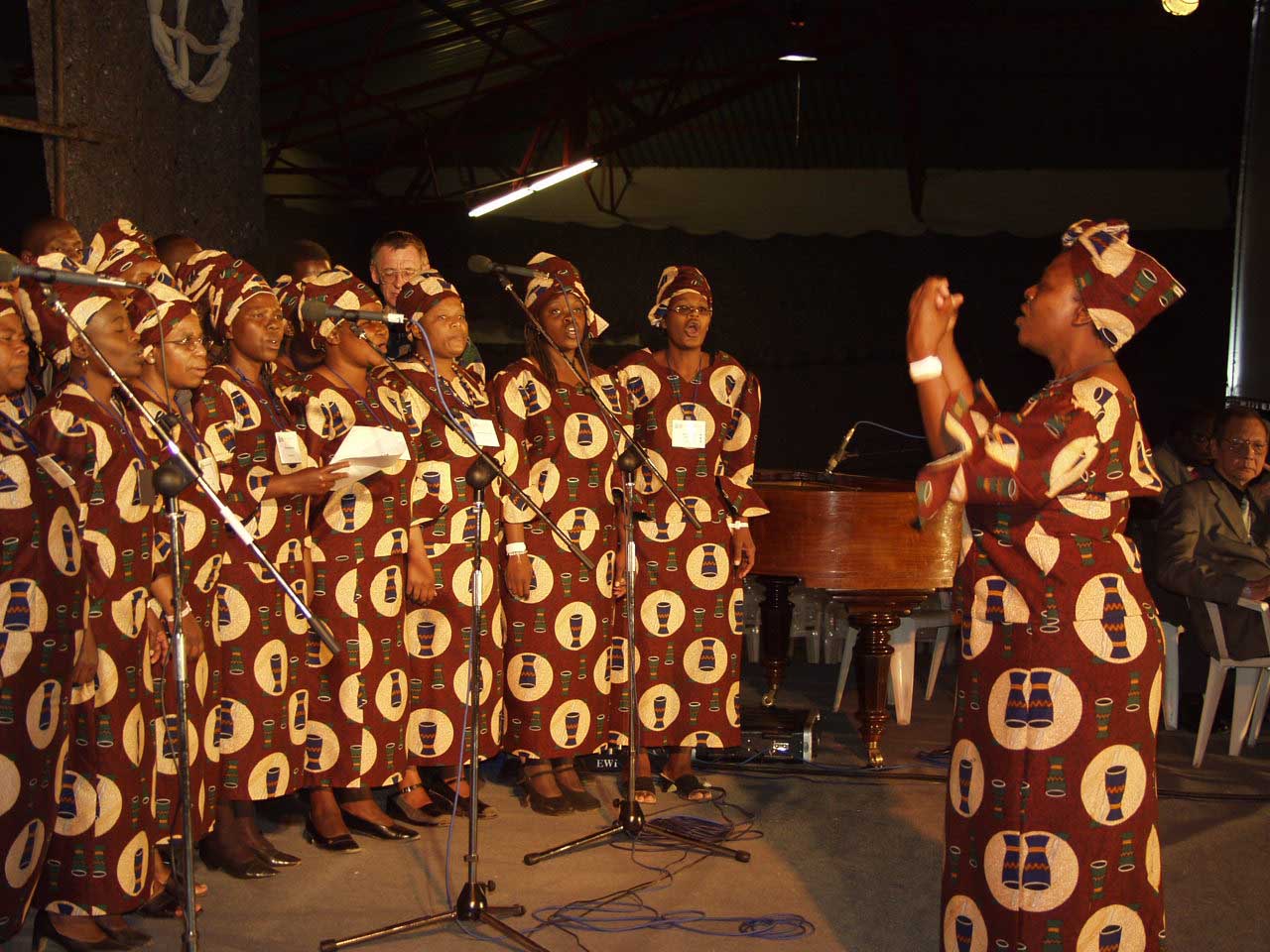
My first real encounter with MWC was at the Assembly 2003, held in Bulawayo, Zimbabwe, here in Africa. This was indeed an amazing international and multi-cultural worship experience. The musical sounds of diverse cultures and traditions blended together in harmony, leaving an indelible mark on my soul.
The worship experience sparked a passion for global worship music that continues to inspire me, and most Brethren in Christ Church members, even to this very day!
The 2003 MWC Assembly in Zimbabwe marked a significant event in the global Anabaptist community. One of the lasting impacts of this gathering has been on the music styles of local congregations in Zimbabwe. This influence can be seen in the blending of traditional Zimbabwean rhythms with Western hymns and contemporary Christian music.
Traditional Zimbabwean music and Anabaptist worship
In Zimbabwe, traditional music is an integral part of cultural identity. Percussion instruments like the drums, rattle and shakers are commonly used in worship.
Post-2003, some Brethren in Christ congregations began incorporating these elements into their services, fusing them with Western instruments like the guitars and keyboard, creating a unique sound that resonates with local worshippers.
In fact , the majority of Zimbabwean congregations have grounded themselves in using musical instruments to accompany worship music. This has even extended to congregations in the countryside, where worshippers used to confine their singing to vocals only.
Influence of Anabaptist music
The MWC Assembly brought together musicians from various Anabaptist traditions. This exposure led to the adoption of songs like “Over my head, I hear music in the air!” (An African American folk song set to a Zimbabwean rhythm in local congregations).
Many churches started using songs with a mix of traditional hymns and contemporary worship songs from Africa and Latin America.
The shift to traditional elements was quite evident in fostering self-actualization and worship in an African context. This enhanced movement in singing as this comes naturally to indigenous inhabitants of Africa. Renditions like “Hakuna wakaita sa Jesu” (There is no one like Jesus), “Jes’ uya khazimula” (Jesus is ever shining) took up a renewed meaning and popularity as a direct influence of Anabaptist music.
A number of other “foreign” languages choruses, like “Obrigado Senhor” (Thank you, Jesus), and songs from Zimbabwe Assembly 2003 have also become a part of local worship music.
Impact on worship
The blending of music styles has affected worship practices. Services are more participatory, with congregants singing in Ndebele, Shona and English. Some churches have introduced dance, incorporating traditional Zimbabwean movements.
This shift has made worship more expressive and relevant to local culture.
MWC Zimbabwe Assembly went a long way in indirectly provoking local congregations to appreciate cultural diversity in worship music.
Singing songs from a shared hymnal like the MWC songbook has had several effects on congregations. Common songs foster a sense of unity and shared faith experience among congregation members. It connects them to a broader community of believers across different cultures and locations.
Challenges and opportunities
While this musical fusion has enriched worship, it has also presented challenges. Some congregations struggle with balancing tradition and innovation. Older members may prefer traditional hymns, while younger members often favour contemporary styles. This generational gap requires careful navigation by both the youthful members and church leaders.
Youths in the Brethren in Christ Church district of Bulawayo have taken a proactive step in striving to accommodate everyone by forming the Bulawayo District Youth Choir. The group has transformed traditional hymns to be more acceptable to all age groups using local and Western instruments in their youth-led worship bands.
The MWC Assembly 2003 catalyzed a movement toward contextualized worship in Zimbabwean BICC congregations. By embracing local music traditions, the churches have created worship experiences that are both authentically Zimbabwean and globally connected.
This blending of styles reflects the Anabaptist emphasis on community and cultural relevance.
As Zimbabwean congregations continue to evolve, their music remains a testament to the power of faith expressed through local culture.
The most lingering effects left by the MWC are emotional and spiritual engagement, cultural connection and exchange, and above all what has been evoked is feelings of joy, reverence and contemplation, effectively enhancing worship experiences.

Nelson G Muzarabani is a member of BICC Entumbane, Bulawayo, Zimbabwe, and an elder in BICC Zimbabwe, having served as conference secretary for almost 10 years. As a trained musician, he is active in the music ministry of the church as well as other projects. He is retired from the public and private sectors, where he worked for slightly over 35 years as an educator, researcher/historian/archivist, administrator and manager.