
MWC snapshots
“And though one might prevail against another, two will withstand one. A threefold cord is not quickly broken.”
—Ecclesiastes 4:12 NRSVUE
Mennonite World Conference’s regional representatives visit member churches within their area. During these visits, they listen to the concerns and aspirations of national church leaders, observe the realities lived by church members and sometimes train local pastors.
“The churches today exist at a time when people are increasingly polarized, isolated from each other. But Ecclesiastes 4 reminds us of the true value of friendship and building relationships,” says MWC manager of church relations Danisa Ndlovu.
Here are some of the visits in the past six months:
Africa
Central/West Africa regional representative Gomes de Miranda met with the leaders of all three member churches in Angola in August 2026. He also presented the MWC vision and mission.
Manager of church relations and Southern Africa regional representative Danisa Ndlovu took part in the leadership conferences at BIC Mozambique (28-31 July), BIC South Africa (7-9 August) and BIC conference Malawi (13-16 August).
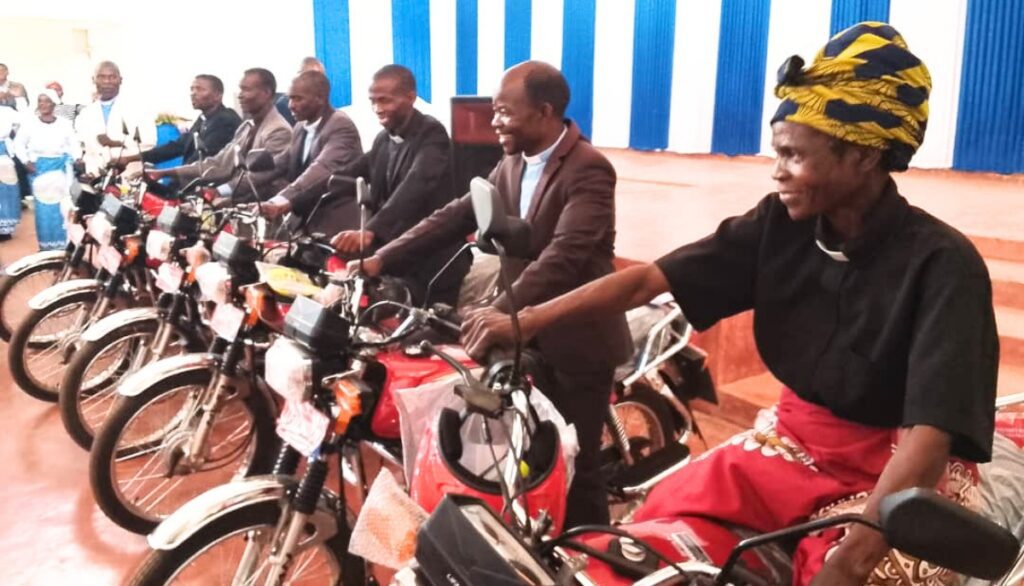
“This year’s meeting of the Brethren in Christ Mozambique conference was historic for two reasons: leaders were ordained for the first time since the conference was founded, and a bishop was elected for the first time in 35 years,” says Danisa Ndlovu.
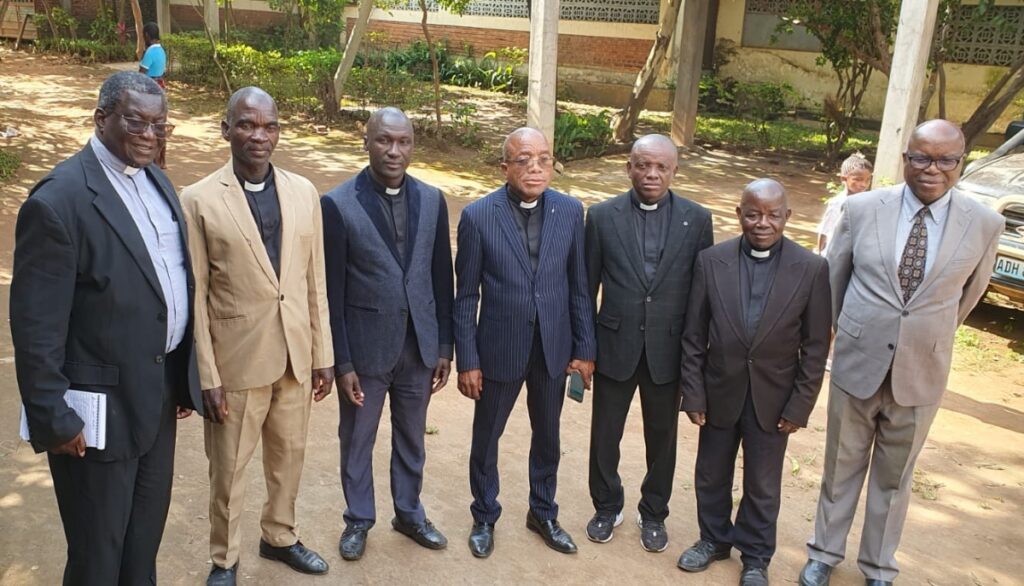
In early September 2026, General Secretary César García visited six regions of Mennonite Church Nigeria to share about MWC. He also participated in their national assembly.
Asia
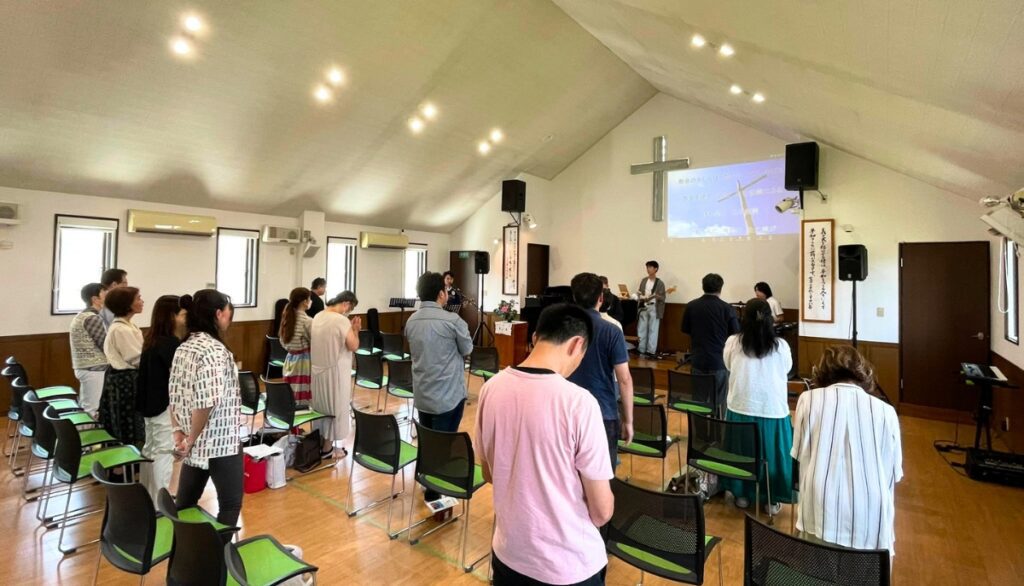
North Asia regional representative Jeremiah Choi visited Nagoya, Japan, in June 2026 to meet with local congregation leaders including the chair of the BIC Conference. “I am glad to see a lot of young people in the Nagoya BIC church,” Jeremiah Choi says.
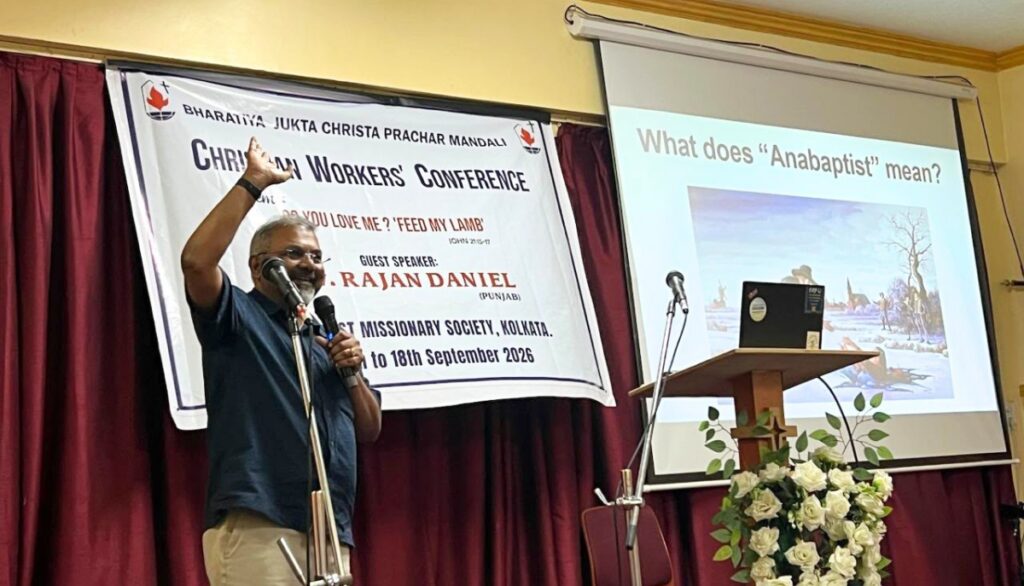
South Asia regional representative Vikal Rao visited Bharatiya Jukta Christa Prachar Mandali (BJCPM) All Workers Conference in Kolkata, India on 16-18 September 2026, after visiting Emannuel Chapel in June 2026 during the conference’s 70-year anniversary.
Europe
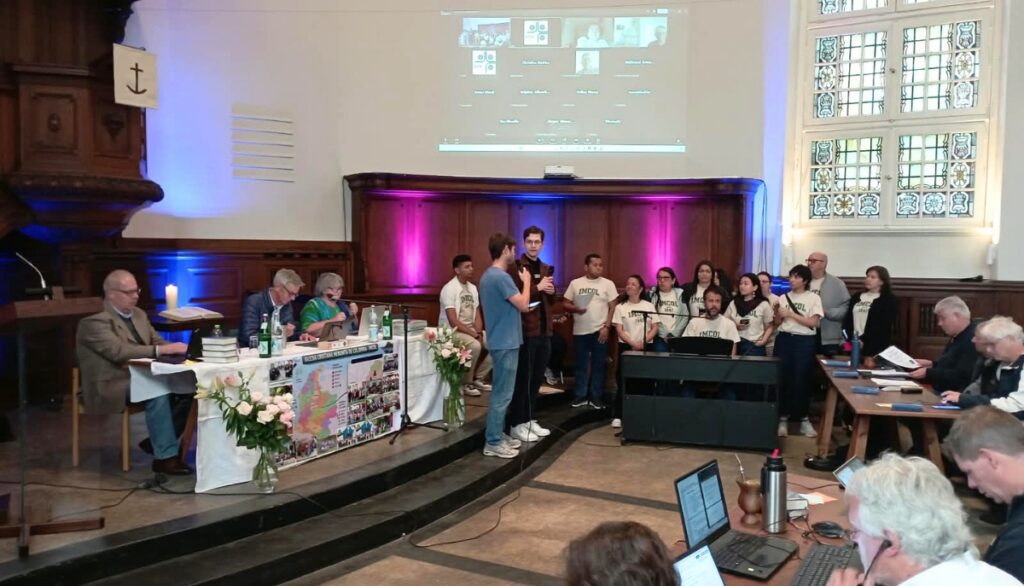
Europe regional representative José Arrais attended the leadership meeting of Arbeitsgemeinschaft Mennonitischer Gemeinden in Deutschland (AMG) on June 9-14 in Hamburg, Germany. He gave updates from MWC especially regarding the upcoming Assembly in Tanzania in 2028.
Latin America & the Caribbean
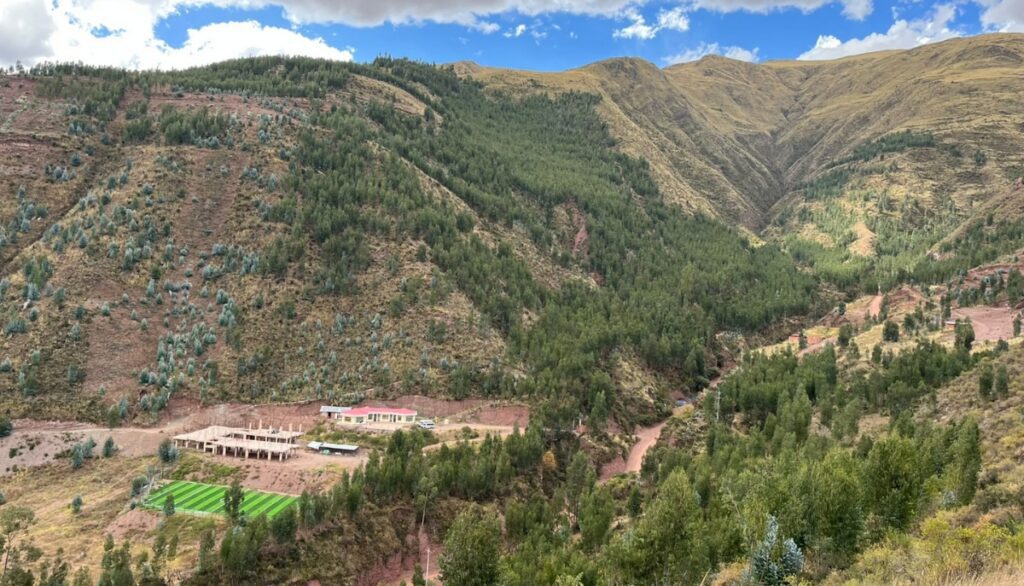
Andean regional representative Pablo Stucky attended the semiannual meeting of Iglesia Evangélica Menonita del Peru (IEMP) in Cuzco, Peru, on 14-17 July 2026. He met with pastors and introduced MWC resources to them.
“IEMP is also a recent recipient of a Global Church Sharing Fund grant [for a school building]. With their leaders, I get to the site where the IEMP school is being built and walked them through the process of submitting their final report,” says Pablo Stucky.
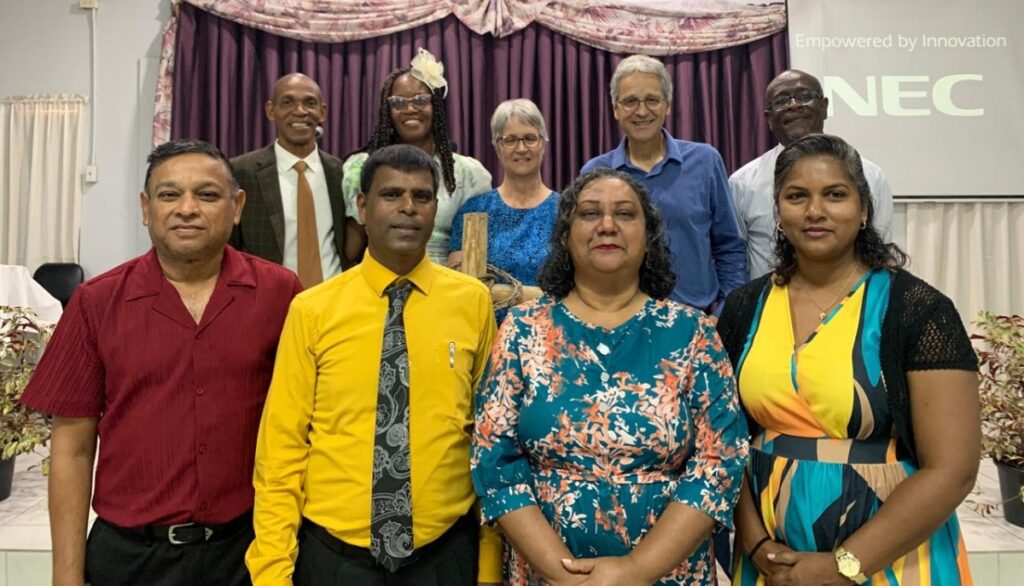
Caribbean regional representative George Broughton visited the Mennonite Church of Trinidad and Tobago during their annual general meeting on 4-6 September 2026. The meeting was themed “Caring for God’s Creation – the Living Water who Restores,” consistent with the Creation Sunday theme. “I was invited to share MWC’s perspective on creation care on their Sunday service.”
Southern Cone regional representatives Rosalina Vasco Santana and Freddy Baron attended the gathering of Convenciones Menonitas de America del Sur (CMAS) in Uruguay in May 2026. CMAS is a fellowship of Anabaptist churches in the Southern Cone region of Latin America, of which many are MWC members.
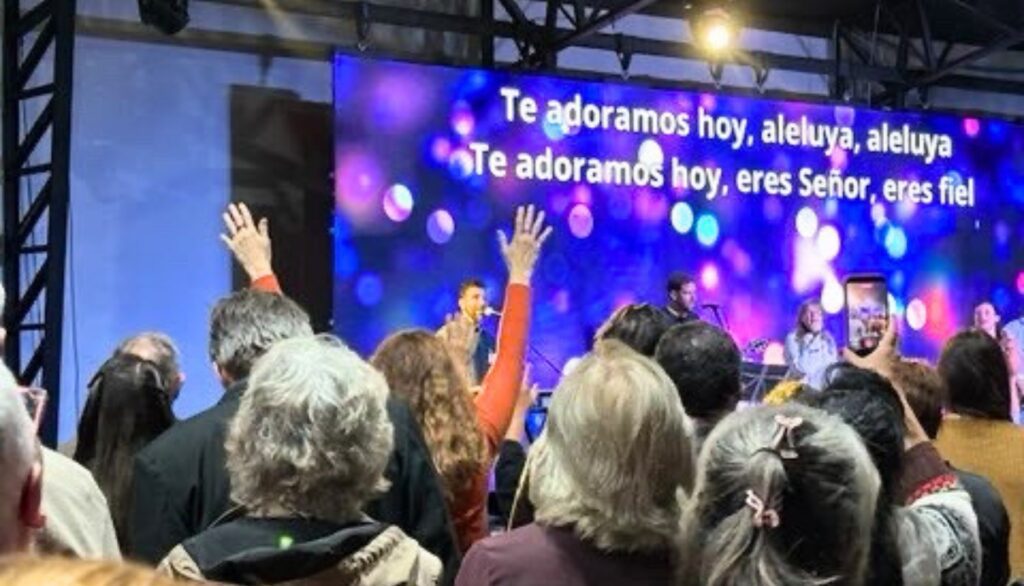
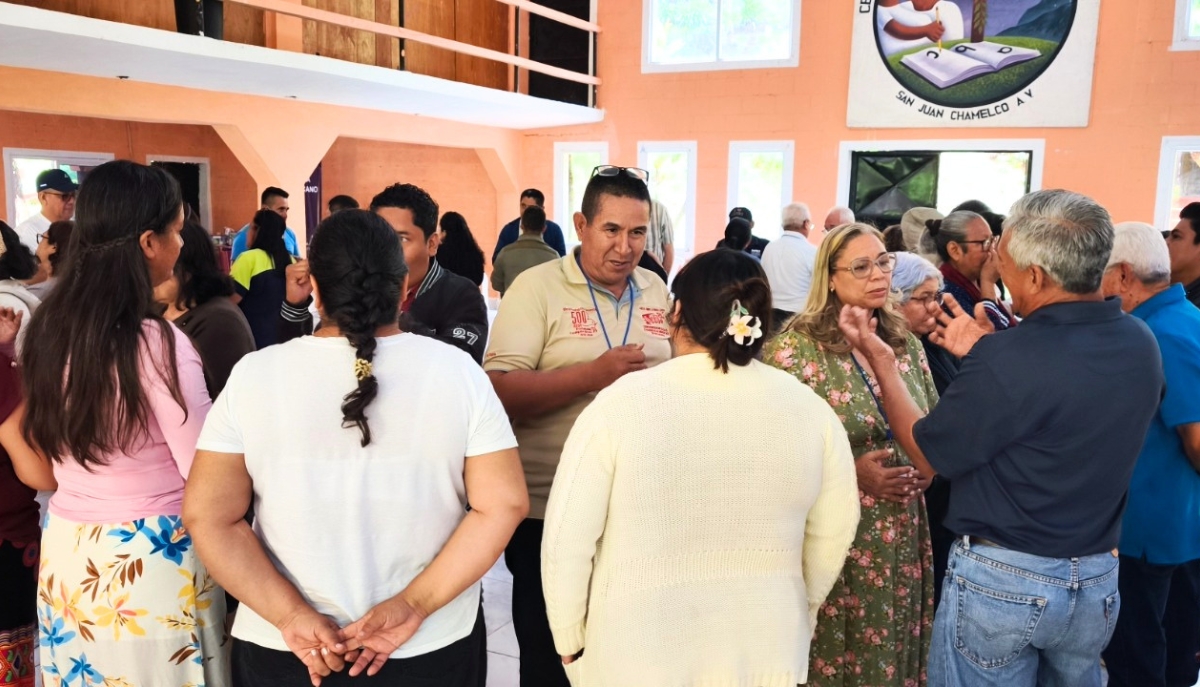
Central America and Mexico regional representative Willi Hugo visited the Sula region in Honduras to connect with pastoral couples who were attending a couples’ retreat organized by their conference.
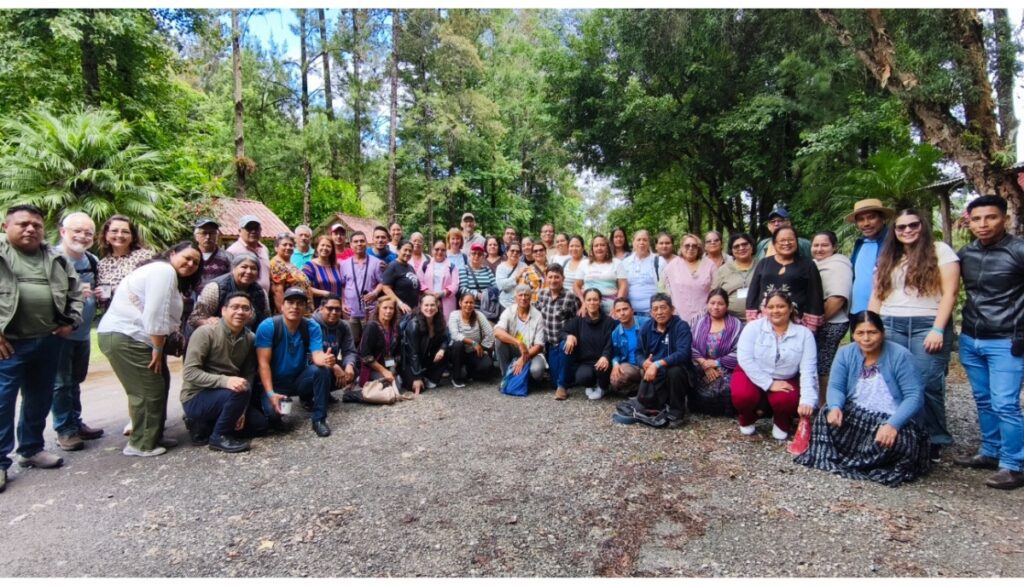
He also supported the planning of the Anabaptist Mennonite Consultation of Mexico, Central America and the Caribbean (CAMCA) in Alta Verapaz, Guatemala, on 13-17 July 2026. CAMCA is a regional initiative of the Anabaptist and Mennonite churches in Central America for community reflection, exchange of experiences and spiritual communion. “The meeting renewed the churches’ commitment to act as agents of life, transformation and hope in Latin America. It was intended to also strengthen unity and the participants’ sense of belonging to the broader global Anabaptist family,” Willi Hugo says.
North America
North America regional representative David Chow visited LMC, the U.S. Conference of Mennonite Brethren Churches, Brethren in Christ U.S. and the Rosedale Network of Churches for relationship building between June and August of 2026.
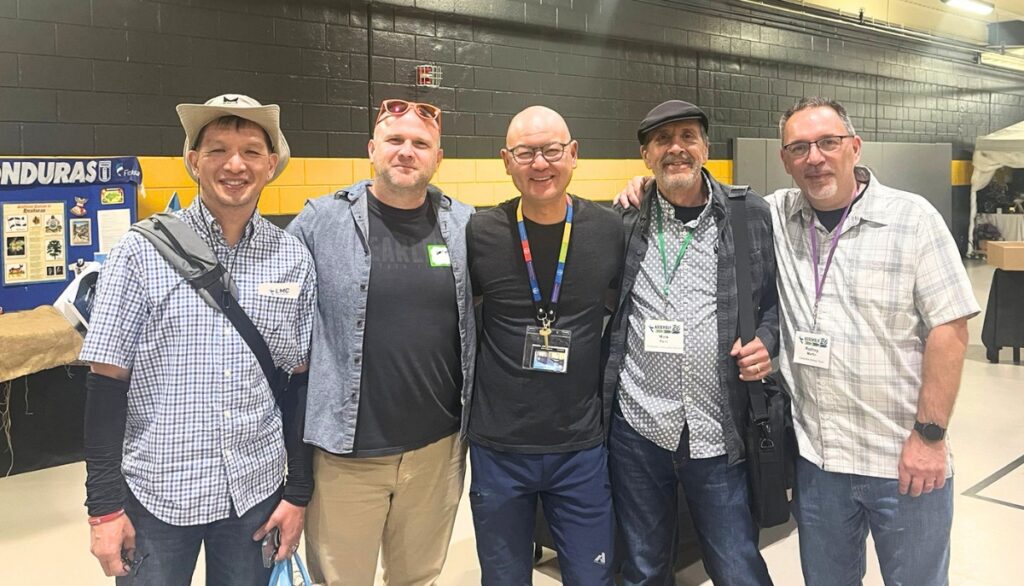
Back in Canada, César García and Bruce Campbell-Janz, director of engagement and communication, participated in the MCC Festival of World Relief in Abbotsford, B.C., Canada, 11–15 September 2026. They also connected with leaders of the Canadian Conference of Mennonite Brethren Churches (CCMBC).
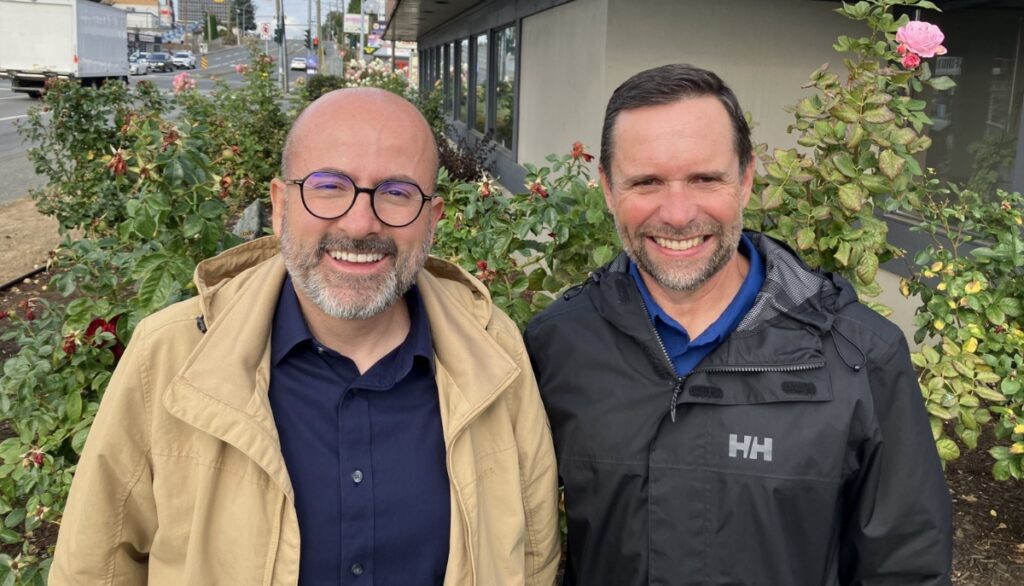
“Wherever we are, the church is called to be in communion with fellow believers, lifting each other up and working together for a common purpose. These visits are not merely travels – they are in-person reminders that we are not walking our spiritual journey alone,” Danisa Ndlovu says.