
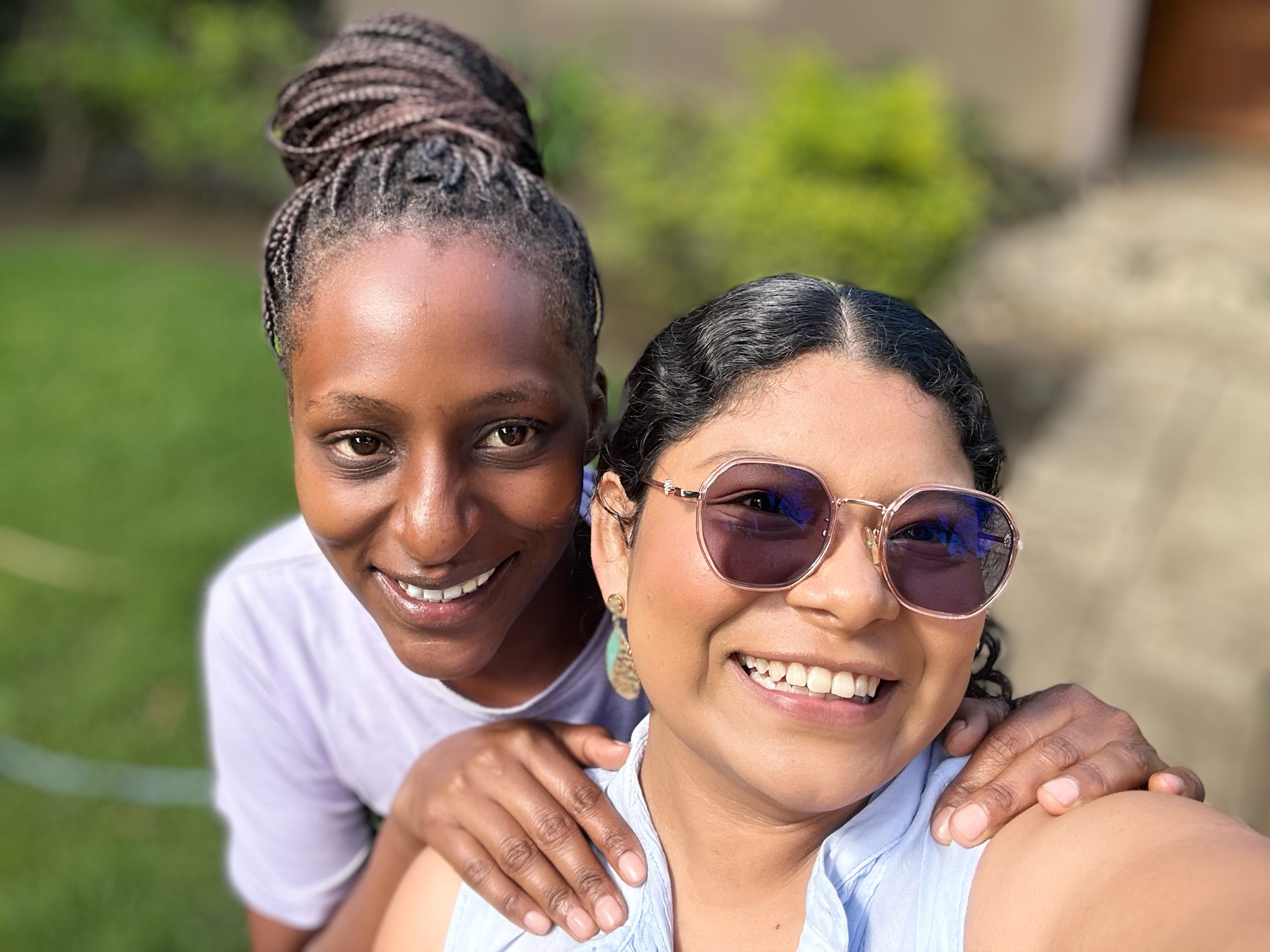
Sheila Rivera Plúa first heard about YAMEN eight years ago, when her parents became hosts for a YAMEN participant serving in her home city of Manta in Ecuador.
“YAMEN* is an excellent program for professional, spiritual and personal growth,” Sheila Rivera Plúa says. “And this happens when you’re willing to grow, to step outside your comfort zone, and to embrace the place and culture you’re in.”
She is currently serving a one-year assignment in Arusha, Tanzania, the home city of MWC’s upcoming global Assembly in 2028. In a district called Ngaramtoni, she is working as an agricultural extension intern with ECHO, a Christian-based organization that works in collaboration with Mennonite Central Committee (MCC). In this role, she helps alleviate food scarcity in rural communities in East Africa, where populations have grown rapidly but food production has been on decline in the past several decades.
“I see YAMEN as a way for me to serve God as a biologist,” Sheila Rivera Plúa says. She is using her passion for conservation and her knowledge of biology to further the kingdom of God.
The Young Anabaptist Mennonite Exchange Network (YAMEN) program is a joint program between Mennonite World Conference and Mennonite Central Committee (MCC). It emphasizes expanding the fellowship between churches in the Anabaptist tradition and developing young leaders around the globe.
Participants spend one year in a cross-cultural assignment starting in August and ending the following July.
Challenges that foster growth
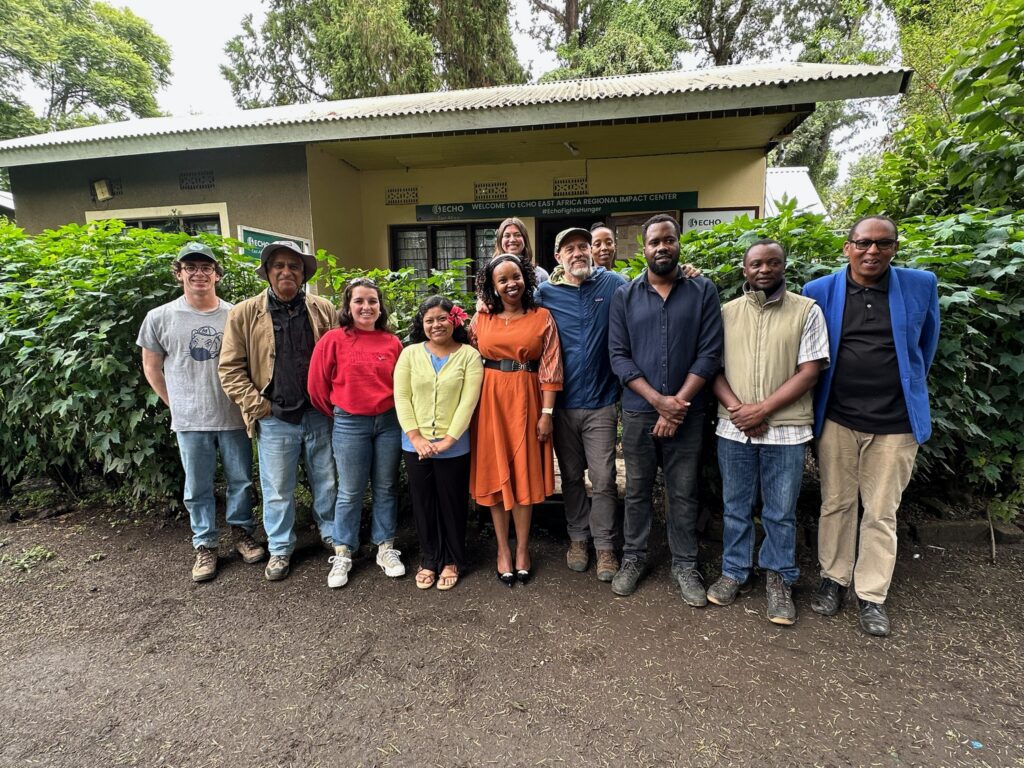
YAMEN has challenged her in many ways, including learning a new language, Swahili, and learning new skills such as sustainable soil management and conservation practices.
“I studied biology, but being in a university on the equatorial Pacific Ocean, I knew more about marine life and the tuna industry,” says Sheila Rivera Plúa. “Through YAMEN, I learned other ways to care for our environment. I learned the use of other cooking technologies to reduce firewood and gas.”
She also developed skills in applied research, including designing proposals for soil irrigation systems and conducting tests to improve them. “All of these strengthen my ability to apply practical solutions in rural contexts, promoting more efficient, resilient and environmentally friendly food production,” Sheila Rivera Plúa says.
“Navigating a new culture is a real challenge. When I first arrived, I didn’t think there would be that much difference to get used to. However, over time I have learned to love their language, and it has helped me get closer to people. I can now have deeper conversations using a combination of English and Swahili. Most of the time I say things that sound funny to someone fluent in that language, but it creates a connection. It also gives other people an understanding of the effort I make to be a part of this place, this culture,” she says.
Through the many adjustments and life lessons, she has learned to appreciate the little things and to enjoy those moments. “Even moments that don’t seem so good are a process to step out of my comfort zone, to trust in God, and navigate the waves that these moments bring. I’m growing from it,” Sheila Rivera Plúa says.
Hope and tools for a more dignified life
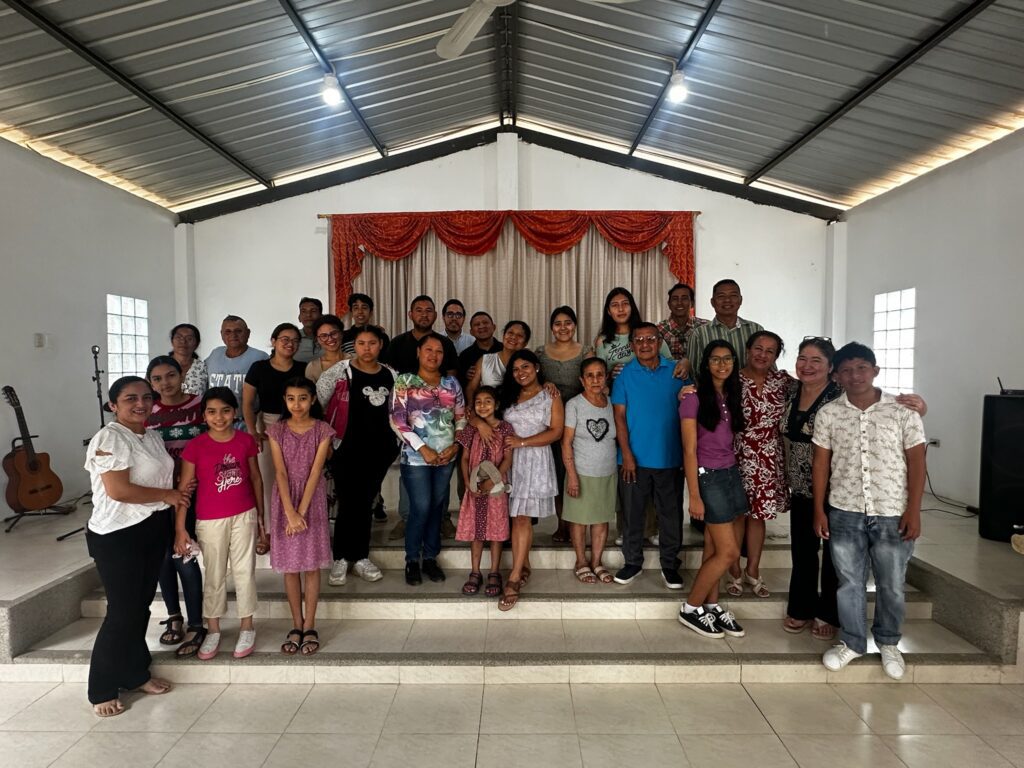
“My home church in Ecuador, Iglesia Menonita Casa de Oración Jacuatas, is small in number. We are like a family. But we are reaching out to other communities and are currently planting churches in two rural communities in Manabí. Serving the community is in the DNA of my church. This is very similar to the place where I’m working now, where we reach people not only by talking about God, but also by bringing hope and tools for them to have a more dignified life,” she says.
“After I return home, professionally I would like to get more involved in developing projects related to food security and soil conservation in rural areas where small-scale agriculture is practiced,” Sheila Rivera Plúa says.
She will be returning to Ecuador in July 2026.