

With zeal and devotion, early Anabaptists lived out their faith in bold and risky ways that broke with the established church. This year, as Mennonite World Conference marked 500 years of the Anabaptist movement, we lived out our faith through reconciliation with churches that had once been opposed.
Hospitality
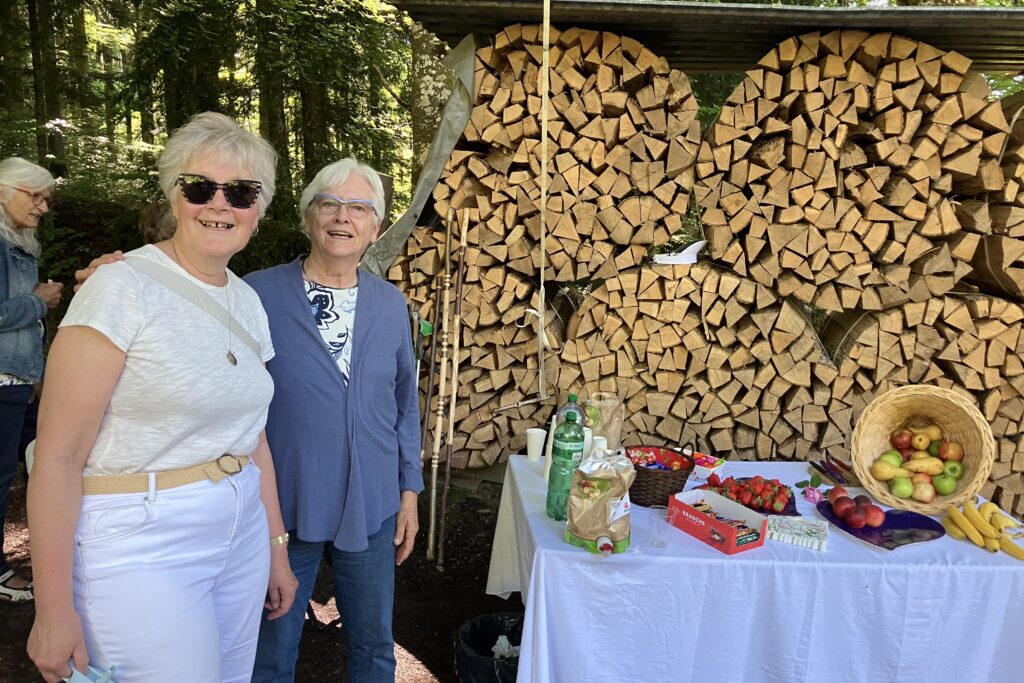
At the end of a long hike on a warm day, a table set with fruit, desserts and juice is a blessing.
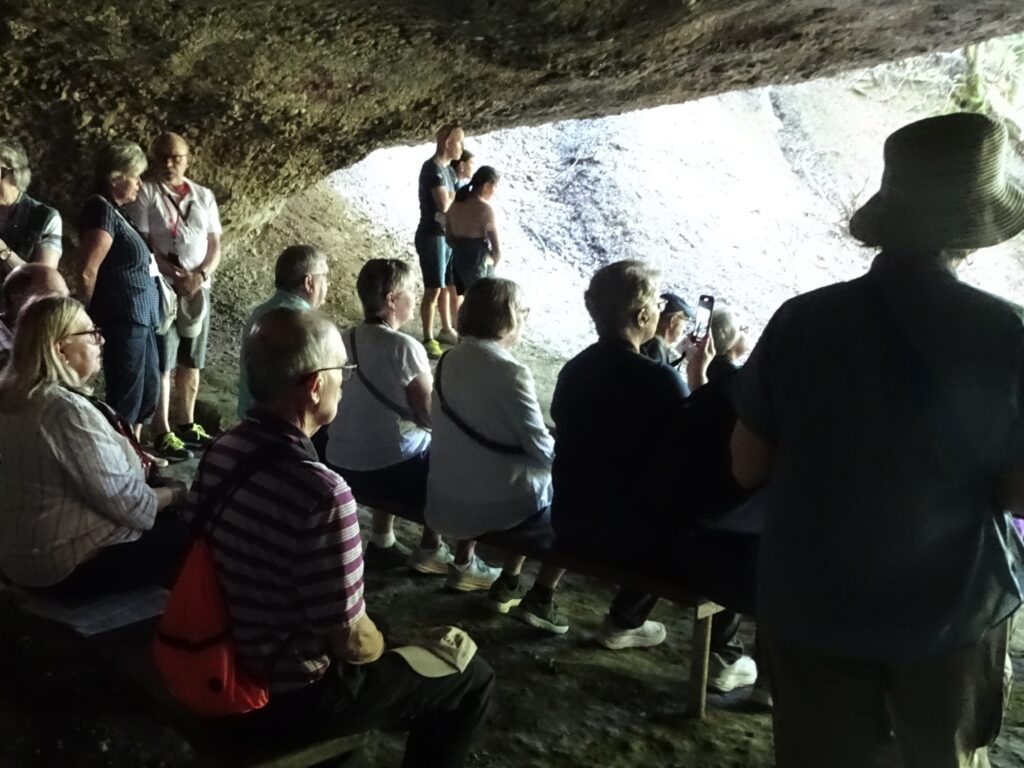
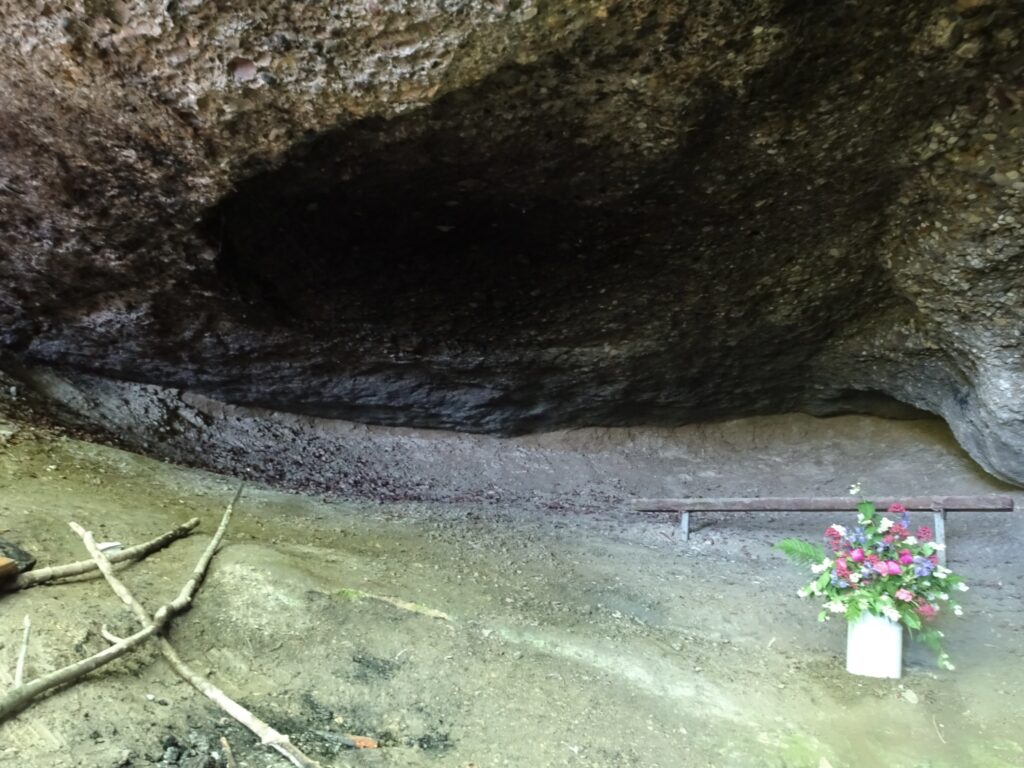
The blessing is multiplied when the hike’s destination is a Täuferhöhle (literally, “baptist cave”) and the refreshment is provided by parishioners from Catholic and Reformed churches. Where early Anabaptists in rural Switzerland once worshipped away from the threatening eyes of the established church, today Anabaptist pilgrims receive welcome from Catholic and Reformed church members.
“Their hospitality and conversation made the reconciliation of leaders become real in a grassroots way,” said Andrew Dyck, a Mennonite who travelled from Canada to Zurich for “The Courage to Love” commemoration day and later visited the cave.
Dorothy Jean Weaver, a Mennonite who travelled from the USA to Zurich, was invited more than a year in advance to be hosted by old friends in Zurich. “I considered that I had the very best possible invitation to this 500th anniversary event, coming as it did from my longstanding Swiss Reformed friends,” she said.
Reconciliation
“But for me the most moving moments in the service were the tokens of reconciliation (footwashing, anointing, message from the pope) extended/enacted between church leaders representing the major Reformation groups who opposed and persecuted the early Anabaptists 500 years ago – Catholic, Lutheran, and Reformed – and the present-day descendants of those Anabaptists,” said Dorothy Jean Weaver. “It was a powerful moment and a profoundly fitting way to celebrate the 500th anniversary of the Anabaptist movement.”
Her Reformed host Peter Detwiller, who has worked in ecumenical spaces for decades, muses that this commemoration “was basically a miracle!”
Not only were Reformers Zwingli and Bullinger, Luther and Calvin determined to eradicate the Anabaptist sect by the roots, persecution of the Anabaptist families and communities continued for about 130 years in the Canton of Zurich and more than 200 years in the Canton of Berne, he said. “From this perspective it was a miracle that the Anabaptist movement survived to this day and is flourishing as the commemoration in Zurich has impressively demonstrated.”
Whereas the request to establish a memorial plaque to Felix Manz at 1952’s MWC Assembly in Switzerland was refused, in 2025, the Reformed Church warmly welcomed Anabaptists into their flagship church, the Grossmünster and theological school for workshop spaces.
Peter Detwiller is inspired by the Anabaptist movement’s commitment to peace and identity as ‘a free community of committed believers.’ “In my opinion, the task of seriously learning from the Anabaptist movement still lies ahead of us,” he said.
Footwashing
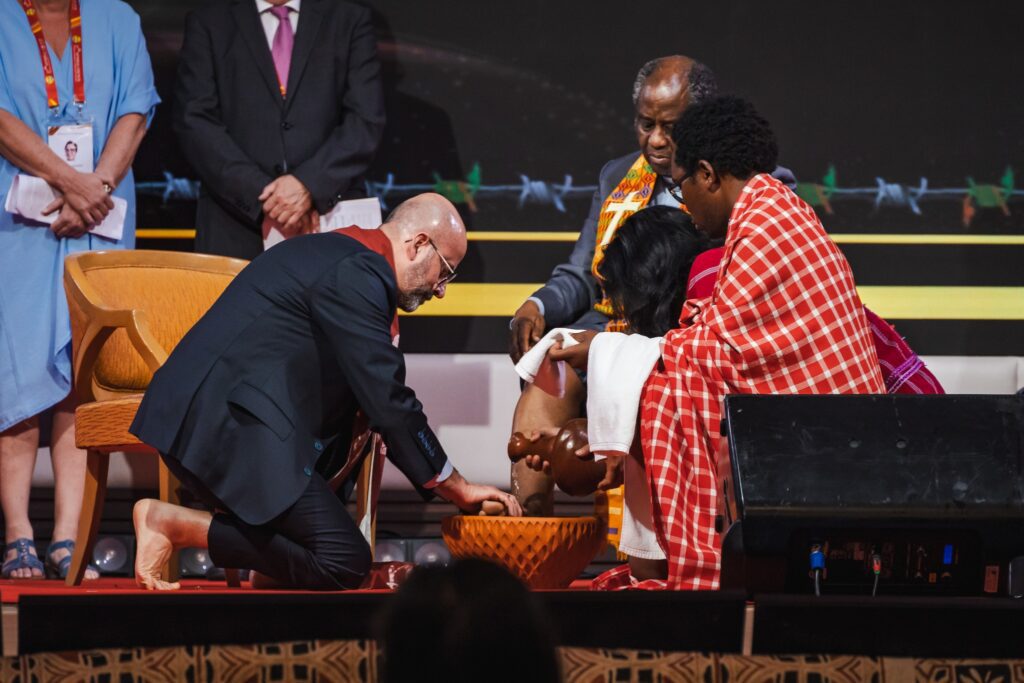
Following the profound moments in Zurich, the World Communion of Reformed Churches invited MWC general secretary César García to participate in their anniversary celebration of 150 years as an organization in October 2025.
During the celebration in Thailand, The Rev. Dr. Setri Nyomi, WCRC’s interim general secretary and César García once again washed each other’s feet in the midst of a worship service.
“We will not let fear or mistrust keep us from this calling,” said The Rev. Dr. Setri Nyomi.
“We pledge to learn from each other by sharing the richness and diversity of our traditions,” said César García.
The inspiration from the footwashing in Zurich was carried into regional churches in Kenya through Bishop George Ochieng, whose Eastleigh Fellowship Centre Mennonite Church Choir sang joyfully in Zurich. He oversees 16 congregations, including six in Narok, a major city of the indigenous Maasai community.
Unintentionally, Bishop George Ochieng had violated cultural norms by appointing a member to diocesan responsibilities without seeking the blessings of Maasai elders. Resulting tensions split the church while the bishop was away.
“When I came back I shared the video of this session of footwashing, taught the foundation of peace and radical act of loving one’s enemies as taught by our Lord Jesus Christ (Matthew 5:44-45) as the very foundational principle of peace.” After several months of repeating these notions of peace, justice and reconciliation, “the Lord granted us a breakthrough: they all came together in tears and repentance before the Lord and made peace with each other,” he said.
One faith
Near the close of the year, César García was one of 27 representatives of more than a dozen Christian world communions gathered in Iznik, Türkiye to commemorate the 1700th anniversary of the First Ecumenical Council in the church’s history.
Hosts Patriarch Batholomew I, Ecumenical Patriarch of Constantinople, and Pope Leo XIV spoke of “bear(ing) living witness to the same faith,” and being “linked by such a profound bond, we can continue our journey of ever deeper adherence to the Word of God revealed in Jesus Christ, under the guidance of the Holy Spirit, in mutual love and dialogue.”
“Jesus, Crucified and Risen, whom the Father has made Lord and Messiah, Kyrie eleison,” César García prayed in Spanish, when it was his turn to speak in the ceremony.
The Nicene Creed, a product of that council (augmented at Constantinople decades later), remains a common confession of faith across denominational spectra, from Catholic to Orthodox to Protestant to Anabaptist.